
11 Herbs to Include in Your Diet for Hormonal Balance
Hormonal balance plays a crucial role in your overall health and well-being. If you’ve been feeling out of sorts, fatigued, or simply not like yourself, it might be time to look at what you’re eating. I created this post because I know how overwhelming it can be to navigate the sea of information on diet and nutrition. With so many options out there, it’s easy to overlook the power of simple, natural herbs that may help restore balance to your hormones.
If you’re someone who is interested in natural remedies, healthy eating, or simply wants to feel better in your body, this post is for you. You’ll discover how incorporating specific herbs into your diet may support hormonal balance in an easy and enjoyable way. I pulled together 11 herbs that are not only nutritious but may also help support your mood, energy levels, and overall health. These tips are practical, straightforward, and perfect for anyone ready to take charge of their wellness journey.
As you read through this guide, you’ll learn about the potential benefits of each herb, how to incorporate them into your diet, and why they matter for your hormonal health. Let’s not just talk about balance; let’s make it happen together!
Key Takeaways
Contents
- 1. Ashwagandha
- 2. Maca Root
- 3. Chaste Tree (Vitex)
- 4. Fennel Seeds
- 5. Ginger
- 6. Turmeric
- 7. Oregano
- 8. Red Clover
- 9. Holy Basil (Tulsi)
- 10. Sage
- 11. Dandelion Greens
1. Ashwagandha

Feeling overwhelmed and in need of a natural stress reliever? Ashwagandha is a go-to herb that may help support calming those racing thoughts and restoring balance.
Known as an adaptogen, this ancient herb may help support the body’s response to stress and promote relaxation (NCCIH, 2023; Lopresti et al., 2019). Some research also suggests ashwagandha may help support healthy thyroid function in certain individuals (Sharma et al., 2018).
Incorporating ashwagandha into your daily routine is simple and rewarding. You can add it to smoothies or take it in capsule form to suit your lifestyle.
Ingredients:
1 teaspoon ashwagandha powder
1 cup of your favorite smoothie ingredients (spinach, banana, yogurt)
Optional: honey to taste
Instructions:
Combine all ingredients in a blender.
Blend until smooth and creamy.
Pour into a glass and enjoy!
FAQs:
Can I use ashwagandha with other supplements?
Yes, but it’s best to consult a healthcare professional first.
Can I make it vegan?
Absolutely! Use plant-based yogurt or a fruit smoothie without dairy.
Sources
2. Maca Root

Craving a natural boost in energy and mood? Maca root is a Peruvian superfood that may help support energy, mood, and overall hormonal balance.
This nutrient-rich root is traditionally used to support libido and provides essential vitamins and minerals that may help support women experiencing menopause symptoms such as hot flushes and mood swings (Brooks et al., 2008).
Add a teaspoon of maca powder to your meals, and you may feel the difference in no time. It’s incredibly versatile and can be used in various delicious ways.
Ingredients:
1 teaspoon maca root powder
1 cup oatmeal or yogurt
Optional: honey and nuts for topping
Instructions:
Stir maca root powder into your oatmeal or yogurt.
Add honey and nuts for extra flavor and crunch.
Enjoy as a nutritious breakfast or snack!
FAQs
Can I use maca in baking?
Yes, it can be added to muffins and pancakes.
Can I make it gluten-free?
Use gluten-free oats or yogurt as needed.
3. Chaste Tree (Vitex)

Struggling with menstrual irregularities or PMS? Chaste tree, or vitex, may help support women experiencing these symptoms.
This herb has traditionally been used to help support hormonal balance and may help regulate menstrual cycles (NCCIH, 2023; van Die et al., 2013). This herb may be a powerful ally for women’s health.
Easy to find in tinctures or capsules, incorporating chaste tree into your routine may be a simple way to support overall hormonal wellness.
How to Use
Take one vitex capsule with a glass of water, following the instructions on the bottle.
If using a tincture, mix the recommended amount in water and drink.
Incorporate it into your daily routine for best results.
FAQs
Can I use vitex if I’m on medication?
It’s best to check with a healthcare professional first.
Can I take it during my period?
Some people use it throughout the menstrual cycle, but individual guidance may vary.
Sources
Note: This article may contain affiliate links used to help cover the costs of running this site and creating free health content.
Chaste Tree (Vitex)
Editor’s Choice

HOTTEA MAMA Night Owl Sleep Supporting Organic Herbal Tea For Women with…
 Amazon$14.75
12in1 Motherwort Tincture – Herbal Extract Liquid Drops with Ashwagandha…
Amazon$29.99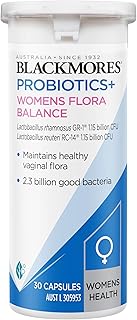
Blackmores Probiotics+ Women’s Flora Balance | Supports Healthy Vaginal …
Amazon$22.194. Fennel Seeds

Looking for a tasty way to ease menstrual discomfort? Fennel seeds are not just a delightful spice; they may also help regulate estrogen levels and provide relief from bloating and cramping. Some research suggests fennel may help support menstrual comfort and digestion (Ostad et al., 2001; Badgujar et al., 2014).
Their natural phytoestrogens may help support hormonal balance, making them an excellent addition to your diet for hormone support.
These seeds can easily be sprinkled on various dishes or brewed into a soothing tea for additional benefits.
Ingredients
1 teaspoon fennel seeds
1 cup of your favorite dish (salad, roasted veggies)
Optional: honey for tea
Instructions
Add fennel seeds to your salad or cooking as desired.
To make tea, steep seeds in hot water for 10 minutes.
Sweeten with honey if you like.
FAQs
Can I use fennel seeds in baking?
Yes, they can add a unique flavor to breads and muffins.
Can I make it caffeine-free?
Absolutely, fennel seed tea is naturally caffeine-free.
Sources
5. Ginger

Feeling a bit sluggish or inflamed? Ginger is a root that may kickstart your energy and help support overall hormonal balance.
Known for its anti-inflammatory properties, ginger may also help support digestion and overall wellness.
You can enjoy fresh ginger in various forms, from teas to savory dishes, making it a versatile addition to your meals.
Ingredients:
1-inch piece of fresh ginger, sliced
1 cup water
Optional: honey and lemon to taste
Instructions:
Boil water and add sliced ginger.
Let it simmer for 10 minutes.
Strain, sweeten with honey and lemon, and enjoy your tea!
FAQs:
Can I use ground ginger instead?
Yes, but use a smaller amount since it is more concentrated.
Can I make it iced?
Absolutely! Cool it down and serve over ice.
Sources:
6. Turmeric

Are you seeking a natural way to boost your health? Turmeric is the vibrant root widely known for its anti-inflammatory properties. The active compound, curcumin, has been studied for its potential anti-inflammatory and wellness-supporting properties (Hewlings & Kalman, 2017).
Some research suggests curcumin may help support the body’s natural inflammatory response and overall metabolic health.
Incorporating turmeric into your meals can be both delicious and visually appealing, enhancing everything from curries to smoothies.
Ingredients
1 teaspoon turmeric powder
1 cup milk (dairy or plant-based)
Optional: black pepper for absorption
Instructions
Heat milk and stir in turmeric and black pepper.
Whisk until combined and warm.
Pour into a mug and sip for a cozy treat!
FAQs
Can I use fresh turmeric?
Yes, just grate it and use the same amount.
Can I make it vegan?
Use plant-based milk for a vegan option.
Sources
Hewlings, S. J., & Kalman, D. S. (2017). Curcumin: A review of its effects on human health. Foods.
Note: This article may contain affiliate links used to help cover the costs of running this site.
Turmeric
Editor’s Choice


Jupi Hydration & Wellness Powder – Turmeric & Ginger shots, Vitamin C …
Amazon$65.61
Turmeric Curcumin 1440mg with Black Pepper & Ginger I 120 Vegan Turmeric…
Amazon$26.337. Oregano

Looking to spice things up while supporting your health? Oregano is not just for pizza; this herb is packed with antioxidants that may aid in hormonal balance. Its strong flavor complements many dishes while providing anti-inflammatory benefits (Leyva-López et al., 2017).
Using fresh or dried oregano is easy! Toss it in salads, sauces, or roasted vegetables for a delicious and healthful boost.
Ingredients
1 tablespoon fresh oregano (or 1 teaspoon dried)
1 cup of your favorite salad or dish
Optional: lemon juice and olive oil for dressing
Instructions
Add oregano to your salad or dish.
Drizzle with lemon juice and olive oil if desired.
Toss and enjoy the flavorful benefits!
FAQs
Can I grow oregano at home?
Yes, it’s easy to grow in pots or gardens.
Sources
- Leyva-López, N., et al. (2017). Biological properties of oregano (Origanum vulgare): A review. Plants.
8. Red Clover

Searching for a soothing remedy for hormonal fluctuations? Red clover is a fantastic choice, particularly for women. Rich in phytoestrogens, this herb may help ease menopausal symptoms and support overall hormonal balance (Lethaby et al., 2013).
Enjoying red clover can be as simple as sipping a cup of tea or taking it in supplement form, making it easy to incorporate into your daily routine.
How to Use
Use 1 teaspoon dried red clover flowers and 1 cup boiling water. Steep the dried flowers in boiling water for about 10 minutes. Strain and add honey if desired for sweetness. Sip slowly and enjoy.
FAQs
Can I take red clover with other herbs?
Yes, but consult your doctor if you’re on medication.
Can I make it iced?
Yes, cool the tea and serve over ice for a refreshing drink.
Sources
9. Holy Basil (Tulsi)

Feeling stressed and in need of some calm? Holy basil, also known as Tulsi, is a revered herb that may help the body manage stress while supporting hormonal balance (Cohen, 2014).
Its pleasant aroma and flavor make it a delightful addition to your diet.
From brewing a warm cup of Tulsi tea to adding fresh leaves in salads, this herb is both versatile and beneficial for your health.
How to Use
Use 1 teaspoon dried holy basil leaves and 1 cup boiling water. Steep the dried leaves in boiling water for about 5 minutes. Strain and add sweetener if desired. Enjoy your warm tea.
FAQs
Can I use fresh holy basil?
Yes, it’s even more flavorful.
Can I take it daily?
Many people enjoy it regularly, but consult a healthcare professional if you have concerns.
Sources
Note: This article may contain affiliate links used to help cover the costs of running this site.
Holy Basil (Tulsi)
Editor’s Choice

Yogi Tea Herbal Tea Bags Honey Lavender Stress Relief – 16pk
Amazon$10.75
10. Sage

Dealing with uncomfortable hormonal fluctuations? Sage is a culinary herb known for its strong anti-inflammatory properties, which may help alleviate symptoms of hormonal shifts like hot flashes.Adding sage to your meals can enhance flavor while supporting your health.
Incorporating sage is simple; use it in savory dishes or enjoy it as a calming tea to promote relaxation.
Ingredients
1 tablespoon fresh sage leaves
1 cup of soup or stew
Optional: honey for tea
Instructions
Add fresh sage leaves to your soup or stew during cooking.
For tea, steep dried sage leaves in hot water for 10 minutes.
Sweeten with honey if desired and enjoy!
FAQs
Can I dry sage?
Yes, it’s easy to dry and store for later use.
Can I use sage essential oil?
Use it sparingly, as it’s very concentrated.
11. Dandelion Greens

Struggling with detoxification or hormonal balance? Dandelion greens are packed with vitamins and minerals that may help support liver health, which plays an important role in hormone regulation (Schütz et al., 2006).Often overlooked, these greens can be a flavorful addition to your diet.
You can enjoy dandelion greens in salads, smoothies, or sautéed dishes, making them versatile and nutritious.
Ingredients
1 cup dandelion greens
1/2 cup berries or fruits
Optional: nuts for crunch
Instructions
Toss dandelion greens with berries and nuts in a bowl.
Drizzle with your favorite dressing.
Serve and enjoy this vibrant salad!
FAQs
Can I cook dandelion greens?
Yes, they can be sautéed or steamed.
Can I make them taste less bitter?
Try pairing them with sweet fruits or a tangy dressing.
Sources
Conclusion

Incorporating these herbs into your diet may be a simple way to support hormonal balance and overall wellness (Panossian & Wikman, 2010).
Whether you prefer teas, smoothies, or savory dishes, these herbs add both flavor and nutrition to your meals.
Start today by including them in your diet and benefit from the natural harmony they bring to your body.
Sources
Panossian, A., & Wikman, G. (2010). Effects of adaptogens on the central nervous system and the molecular mechanisms associated with their stress-protective activity. Pharmaceuticals.


