
How Nutrients Influence Vascular Function: 10 Essential Insights
Understanding how nutrients influence vascular function is vital for anyone concerned about their heart health and overall well-being. In a world filled with fast food and hectic lifestyles, it’s easy to overlook the significant role that the right nutrients may play in helping to support healthy blood flow. This post is crafted out of a desire to highlight how specific vitamins, minerals, and even hydration may contribute to vascular health. By focusing on these essential nutrients, the goal is to empower readers to make informed dietary choices that better support circulation and heart health.
If you’re someone who cares about your health, whether you’re a fitness enthusiast, someone managing a health condition, or simply seeking a healthier lifestyle, you’ll find this guide particularly useful. You’ll learn about the key nutrients that bolster vascular function, how they may affect blood flow, and the overall benefits for your heart. This isn’t just another health article; it’s a practical roadmap to nourishing your body from the inside out.
In this post, I’ve gathered insights on 10 essential nutrients that may be game changers for your vascular health. You’ll discover the power of vitamin C, the magic of omega-3 fatty acids, and even the importance of hydration. By the end, you’ll not only understand these nutrients better but also have actionable tips to help you incorporate them into your diet.
Key Takeaways
Vitamin C is crucial for strengthening blood vessels and may help support healthy circulation, making it a top nutrient for your vascular health.
• Omega-3 fatty acids help reduce inflammation and improve blood flow, making them essential for maintaining heart health.
• Potassium plays a role in helping regulate blood pressure, which is vital for preventing cardiovascular issues.
• Fiber-rich foods may aid in cholesterol management, supporting overall vascular function and heart health.
• Staying hydrated is often overlooked, but water is vital for maintaining proper blood viscosity and promoting effective circulation.
Contents
- 1. Vitamin C: The Vascular Superstar
- 2. Omega-3 Fatty Acids: Nature’s Heart Helpers
- 3. Potassium: The Unsung Hero for Blood Pressure
- 4. Fiber: A Key Player in Cholesterol Management
- 5. Magnesium: For Relaxed Vessels
- 6. Antioxidants: Protectors of Vascular Health
- 7. B Vitamins: For Energy and Circulation
- 8. Folate: A Must for Vascular Integrity
- 9. Iron: Oxygen for Your Blood
- 10. Water: The Forgotten Nutrient
1. Vitamin C: The Vascular Superstar

Vitamin C is not just for fighting colds; it’s a powerhouse nutrient for your blood vessels! This vitamin helps strengthen the endothelial cells that line your blood vessels, keeping them flexible and healthy.
Incorporating vitamin C-rich foods like oranges, strawberries, and bell peppers can enhance your vascular function. These foods contain antioxidants that combat oxidative stress, which can damage blood vessels. A diet rich in vitamin C promotes improved blood flow and can lead to a decreased risk of heart disease.
• Focus on colorful fruits and veggies.
• Try adding a handful of berries to your morning smoothie.
• Snack on sliced bell peppers with hummus.
• Experiment with citrus dressing on your salad for a refreshing twist!
Nutrition Tip: The recommended daily intake of vitamin C for adults is about 75–90 mg. A single orange provides about 70 mg of vitamin C.
High Vitamin C Foods: How Much You Need
Many everyday fruits and vegetables can help you reach this amount. Here are examples of how much of certain foods provide close to 90 mg of vitamin C.
• 1 medium orange – about 70 mg vitamin C
• 1 cup strawberries – about 85–90 mg vitamin C
• ½ red bell pepper – about 95 mg vitamin C
• 1 cup raw broccoli – about 80 mg vitamin C
• 1 kiwi fruit – about 70 mg vitamin C
•. 1 cup pineapple – about 80 mg of vitamin C
Combining a few of these foods throughout the day can easily help you meet your vitamin C needs while adding color, flavor, and nutrients to your meals.
Fresh foods are best for maximum nutrient retention.
FAQ: How do I know if I’m getting enough Vitamin C? Look for signs like fatigue or dry skin; consistent intake of a variety of fruits and veggies should suffice.
2. Omega-3 Fatty Acids: Nature’s Heart Helpers

Omega-3 fatty acids, found in fish like salmon and flaxseeds, are essential for maintaining healthy blood vessels. They help reduce inflammation and improve the endothelial function of your arteries, leading to better blood flow.
Including these healthy fats in your diet may help lower triglycerides and decrease the risk of blood clots, making them crucial for heart health. Incorporate omega-3s into your meals to support vascular health!
• Choose fatty fish like salmon, sardines, or mackerel at least twice a week.
• Add ground flaxseeds or walnuts to your oatmeal.
• Consider a sprinkle of chia seeds in your smoothies.
Cooking Tip: Grill or bake fish with herbs for added flavor and benefits.
Ingredients:
• 2 salmon fillets
• 1 tbsp olive oil
• 1 lemon, sliced
• 2 garlic cloves, minced
• Salt and pepper to taste
• Fresh dill for garnish
Instructions:
1. Preheat your oven to 400°F (200°C).
2. Place salmon fillets on a baking sheet lined with parchment paper.
3. Drizzle olive oil over the fillets, then sprinkle with minced garlic, salt, and pepper.
4. Top with lemon slices and fresh dill.
5. Bake for 12–15 minutes or until the salmon is cooked through.
6. Serve with a side of steamed vegetables for a complete meal rich in omega-3 fatty acids.
Look for wild-caught fish for higher omega-3 content.
FAQ: How many omega-3s do I need? The American Heart Association recommends two servings of fish per week.
3. Potassium: The Unsung Hero for Blood Pressure

Potassium is crucial for maintaining healthy blood pressure levels and promoting proper vascular function. It helps relax the walls of blood vessels, allowing for smoother blood flow.
Foods rich in potassium include bananas, sweet potatoes, and spinach. By balancing sodium levels in the body, potassium plays a vital role in heart health and may help reduce the risk of hypertension.
• Start your day with a potassium-rich smoothie!
• Snack on a banana or enjoy a baked sweet potato.
• Incorporate leafy greens into your meals.
Nutrition Insight: Adults generally need about 4,700 mg of potassium per day.
Ingredients:
• 1 large banana
• 1 cup spinach, packed
• 1/2 cup almond milk
• 1 tbsp almond butter
• 1 tbsp honey (optional)
Instructions:
1. In a blender, combine banana, spinach, almond milk, almond butter, and honey.
2. Blend until smooth and creamy.
3. Pour into a glass and enjoy your nutrient-packed smoothie!
Add a scoop of protein powder for an extra boost!
FAQ: Can potassium supplements help? It’s best to get potassium from food sources to avoid potential side effects.
4. Fiber: A Key Player in Cholesterol Management

Fiber is essential for heart health and plays a significant role in maintaining vascular function. It may help lower cholesterol levels and improve blood flow.
Foods high in soluble fiber, such as oats, beans, and fruits, can help reduce bad cholesterol while promoting a healthy weight. Increasing fiber intake is a simple yet effective way to support your vascular system.
• I always opt for a high-protein breakfast; however, to add additional fibre to your day, you have the discretion to start with oatmeal topped with yoghurt and fresh fruit.
• Add beans to salads or soups for added fiber benefits.
• Snack on apple slices with nut butter for a blend of fiber and healthy fats.
Nutrition Tip: Aim for 25–30 grams of fiber per day for optimal health!
Ingredients:
• 1 cup rolled oats
• 2 cups water or milk
• 1 apple, diced
• 1/4 cup walnuts, chopped
• 1 tbsp cinnamon
• Honey to taste (optional)
Instructions:
1. In a saucepan, bring water or milk to a boil.
2. Stir in rolled oats and reduce heat to low, simmering for 5–10 minutes.
3. Once creamy, stir in diced apple, walnuts, and cinnamon.
4. Sweeten with honey if desired, and serve warm.
Prepare oats overnight for a quick breakfast!
FAQ: How does fiber help with cholesterol? Fibre binds to excess cholesterol in the digestive system, helping to remove it from the body.
5. Magnesium: For Relaxed Vessels

Magnesium plays a crucial role in vascular function by helping to relax blood vessels, which supports healthy blood flow.
It’s found in leafy green vegetables, nuts, seeds, and whole grains. A magnesium-rich diet may help control blood pressure and prevent vascular issues, making it an essential mineral for heart health.
• Snack on a handful of almonds or pumpkin seeds.
• Incorporate leafy greens into salads or smoothies.
• Whole grains like quinoa are also excellent sources.
Nutrition Insight: Adults generally need about 310–420 mg of magnesium per day.
Ingredients:
• 1 cup cooked quinoa
• 1 cup spinach, chopped
• 1/2 cup cherry tomatoes, halved
• 1/4 cup feta cheese, crumbled
• 2 tbsp olive oil
• 1 tbsp lemon juice, salt, and pepper to taste
Instructions:
1. In a large bowl, mix cooked quinoa with spinach, cherry tomatoes, and feta.
2. Whisk together olive oil, lemon juice, salt, and pepper; pour over salad.
3. Toss gently and serve as a refreshing side or main dish.
Cook quinoa ahead of time for quick meal prep.
FAQ: What happens if I don’t get enough magnesium? Low magnesium levels may be associated with muscle cramps, fatigue, and elevated blood pressure.
Note: This article may contain affiliate links used to help cover the costs of running this site and creating free health content.
Magnesium: For Relaxed Vessels
Editor’s Choice


Source Naturals Magnesium Malate 625mg Per Serving Essential Magnesium M…
 Amazon$40.88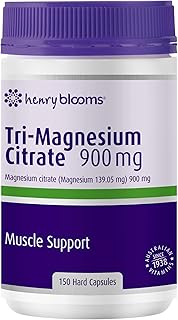
Henry Blooms 900 mg Tri-Magnesium Citrate 150 Vegetarian Capsules
Amazon$14.706. Antioxidants: Protectors of Vascular Health

Antioxidants are vital for guarding your blood vessels against oxidative stress and inflammation. They help to keep your arteries clear and functioning properly.
Fruits and vegetables are packed with antioxidants, particularly berries, dark chocolate, and green tea. Consuming these foods may lead to improved blood vessel health and enhanced circulation.
• Enjoy a handful of mixed berries as a snack.
• Brew a cup of green tea for a refreshing drink.
• Dark chocolate (with at least 70% cocoa) can be a guilt-free treat.
Nutrition Insight: Include a variety of colorful fruits and veggies for a wide range of antioxidants!
Ingredients:
• 1/2 cup mixed berries (blueberries, strawberries, raspberries)
• 1/4 cup dark chocolate, chopped
• 1 cup brewed green tea
Instructions:
1. In a bowl, mix together the berries and chopped dark chocolate.
2. Serve your antioxidant-packed snack alongside a warm cup of brewed green tea.
Choose organic berries when possible for maximum antioxidant levels.
FAQ: How do antioxidants work? They neutralize free radicals that can cause damage to your cells, including those lining blood vessels.
7. B Vitamins: For Energy and Circulation

B vitamins are essential for energy metabolism and can significantly impact vascular function. They help break down homocysteine, an amino acid that can be harmful at high levels, promoting heart health and effective blood flow.
Incorporate foods like whole grains, eggs, and legumes into your diet for a good supply of B vitamins. A balanced intake of these vitamins may help you maintain optimal vascular function and prevent cardiovascular disease.
• Start your day with whole-grain toast and eggs.
• Include lentils in soups or stews for added nutrition.
• Snack on nuts for a quick energy boost.
Nutrition Tip: Aim to consume a variety of B vitamins through a balanced diet!
Ingredients:
• 2 slices whole-grain bread
• 2 eggs
• 1/2 avocado, sliced
• Salt and pepper to taste
Instructions:
1. Toast the whole-grain bread.
2. In a skillet, cook eggs to your liking (scrambled, poached, or fried).
3. Assemble by placing sliced avocado on toasted bread, topping with eggs, and seasoning with salt and pepper.
4. Enjoy a nourishing breakfast rich in B vitamins!
Add a sprinkle of chili flakes for a kick!
FAQ: How can I ensure I’m getting enough B vitamins? A varied diet with whole foods typically provides adequate amounts of B vitamins.
Note: This article may contain affiliate links used to help cover the costs of running this site.
B Vitamins: For Energy and Circulation
Editor’s Choice


Wholegrain Milling Co Organic Premium White Bakers Flour 5Kg – Milling p…
Amazon$32.90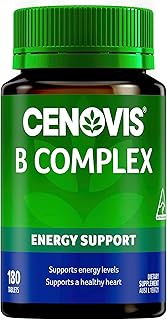
Cenovis Vitamin B Complex- Supports Energy Levels & Production – Maintai…
Amazon$8.008. Folate: A Must for Vascular Integrity

Folate, also known as vitamin B9, plays an important role in the prevention of heart disease and maintaining proper vascular function. Folate helps reduce homocysteine levels, which in turn may decrease the risk of blood clots.
Include foods like leafy greens, beans, and citrus fruits to ensure adequate folate in your diet. A diet rich in folate supports healthy blood flow and can contribute to overall heart health.
• Enjoy a spinach salad topped with citrus fruits.
• Add lentils to your soups or stews.
• Snack on chickpeas roasted with spices for a tasty treat.
Nutrition Insight: Aim for at least 400 mcg of folate daily!
Ingredients:
• 2 cups fresh spinach
• 1/2 grapefruit, segmented
• 1/2 cup cooked lentils
• 1 tbsp olive oil
• Salt and pepper to taste
Instructions:
1. In a bowl, combine fresh spinach, grapefruit segments, and cooked lentils.
2. Drizzle with olive oil and season with salt and pepper; toss to combine.
3. Serve as a nutrient-packed salad!
Mixing ingredients right before serving keeps them fresh.
FAQ: How does folate benefit vascular health? It helps reduce harmful amino acids like homocysteine that may damage blood vessels.
9. Iron: Oxygen for Your Blood

Iron is crucial for forming hemoglobin, which carries oxygen in your blood. Proper iron intake supports energy levels and healthy blood circulation.
Incorporating iron-rich foods such as spinach, legumes, and lean meats may help prevent anemia and promote effective vascular function. Ensuring your diet includes adequate iron can significantly enhance your overall health and vitality.
• Add lentils or chickpeas to salads for a protein and iron boost.
• Enjoy red meat in moderation for a healthy source of iron.
• Include leafy greens like kale or spinach in your meals.
Nutrition Tip: Pair iron-rich foods with vitamin C sources to enhance absorption!
Ingredients:
• 1 cup cooked lentils
• 1 cup spinach, sautéed
• 1/2 cup diced tomatoes
• 1 tbsp olive oil
• Salt and pepper to taste
Instructions:
1. In a pan, heat olive oil and sauté spinach until wilted.
2. Add cooked lentils and diced tomatoes, stir to combine.
3. Season with salt and pepper, serve warm.
Experiment by adding spices like cumin or turmeric for flavor!
FAQ: How much iron do I need? Adult women typically need about 18 mg per day, men about 8 mg.
10. Water: The Forgotten Nutrient

Staying hydrated is often overlooked, yet water is essential for maintaining proper vascular function. Adequate hydration supports healthy blood volume and circulation, making it vital for heart health.
Drinking enough water daily is crucial, especially if you are active. Keep a water bottle handy to remind yourself to hydrate throughout the day. Remember, hydration fuels every system in your body!
• Aim for at least 8 cups (2 liters) of water daily.
• Herbal teas can also contribute to your hydration.
• Infuse water with fresh fruits or herbs for added flavor.
Nutrition Tip: Start your day with a glass of water to kickstart hydration!
Ingredients:
• 1 liter of water
• Slices of lemon, cucumber, or berries for infusion
Instructions:
1. Fill a pitcher with 1 liter of water.
2. Add slices of lemon, cucumber, or berries for a refreshing flavor.
3. Chill and enjoy throughout the day to stay hydrated!
Use a reusable glass water bottle to track your intake easily.
FAQ: Does coffee count toward hydration? While it has a mild diuretic effect, moderate coffee consumption contributes to your daily fluid goal.
Conclusion: Nourishing Your Vascular Health

Every nutrient plays a unique role in supporting vascular function and heart health. By incorporating a variety of foods rich in vitamins, minerals, and healthy fats into your diet, you may significantly enhance your blood flow and promote overall well-being.
The journey towards a healthier vascular system begins with the choices you make daily. Embrace these nutrient-rich foods to nourish your body and protect your heart for years to come.


