
15 Surprising Historical Uses of Herbal Medicine That Science Now Confirms!
Herbal medicine has a rich and well-documented history stretching back thousands of years, with written records appearing in ancient Egyptian, Chinese, Greek, and Ayurvedic texts. As interest in natural health continues to grow, many people are revisiting traditional plant remedies to see how they align with modern science. You might wonder whether the wisdom of earlier civilizations holds up under today’s clinical research. In this article, we explore 15 historical uses of herbal medicine that have been examined in contemporary scientific studies, helping you better understand where tradition and evidence intersect.
If you value natural health approaches, this guide is designed to provide balanced insight. Whether you’re curious about immune support, sleep quality, digestion, or stress resilience, each section looks at a specific herb, its historical use, and what current research suggests about its potential benefits. Where relevant, we’ll also discuss safety considerations and practical usage context.
By the end, you’ll have a clearer understanding of how these traditional remedies are viewed through a modern scientific lens, empowering you to make informed decisions about incorporating herbs into your wellness routine.
Key Takeaways
Key Takeaways
- Herbal medicine has been documented in ancient Egyptian, Chinese, Greek, and Ayurvedic medical texts, and many of these traditional uses are now being examined through modern clinical research.
- Several of the herbs discussed in this guide have been evaluated in peer-reviewed studies and meta-analyses, offering measurable insights into their potential effects on immunity, inflammation, digestion, mood, and cardiovascular health.
- Understanding how these herbs were historically used — alongside current scientific findings, helps provide context rather than relying solely on tradition or anecdote.
- Dosage ranges, preparation methods, and safety considerations vary between herbs, making evidence-based use and professional guidance important when considering supplementation.
- Natural remedies can complement a healthy lifestyle, but informed decision-making requires balancing traditional wisdom with modern research and safety awareness
Contents
- 1. Echinacea for Immune Boosting
- 2. Ginger for Digestive Health
- 3. Turmeric for Inflammation
- 4. Lavender for Relaxation
- 5. Peppermint for Headaches
- 6. Chamomile for Sleep
- 7. Garlic for Heart Health
- 8. St. John’s Wort for Mood Enhancement
- 9. Ashwagandha for Stress Relief
- 10. Ginseng for Energy and Endurance
- 11. Milk Thistle for Liver Health
- 12. Hawthorn for Heart Health
- 13. Nettle for Allergy Relief
- 14. Rosemary for Memory and Concentration
- 15. Dandelion for Detoxification
1. Echinacea for Immune Boosting

You’re likely searching for a natural way to support your immune system, and echinacea is one of the most widely studied herbal options. Traditionally used by Native American communities for infections and wound care, echinacea later became popular in European herbal medicine for respiratory support.
Modern research has examined its role in upper respiratory infections. A large meta-analysis published in The Lancet Infectious Diseases (Shah et al., 2007) found that echinacea supplementation was associated with a reduction in the risk of developing the common cold and a modest decrease in symptom duration. Other reviews suggest that standardized extracts may help shorten cold symptoms when taken at the first sign of illness.
To make the most of echinacea, it’s commonly used in teas, tinctures, or standardized capsule extracts. In clinical research settings, doses often range from 300–900 mg per day of standardized extract, depending on preparation. Usage protocols vary, so following product instructions and seeking professional guidance is recommended.
Key ways to incorporate echinacea:
- Choose standardized extracts that specify active compounds (such as echinacoside or alkylamides).
- Consider beginning supplementation at the earliest onset of cold symptoms rather than using it continuously year-round.
While echinacea is generally well tolerated, individuals with autoimmune conditions or allergies to plants in the Asteraceae family (such as ragweed) should exercise caution. As with any supplement, consultation with a qualified healthcare professional is advisable before use.
This herb remains a popular seasonal immune support option, blending traditional knowledge with ongoing scientific investigation.
2. Ginger for Digestive Health

If you’re dealing with digestive discomfort, ginger is one of the most extensively studied culinary herbs for nausea and gastrointestinal support. Used in traditional Chinese and Ayurvedic medicine for centuries, ginger was historically valued for its “warming” properties and its ability to ease stomach upset.
Modern clinical research supports several of these traditional uses. Multiple randomized controlled trials have found that ginger may help reduce nausea associated with pregnancy, motion sickness, and chemotherapy. A 2014 systematic review published in Nutrition Journal concluded that ginger supplementation was effective in reducing pregnancy-related nausea compared to placebo. Other studies suggest ginger may help accelerate gastric emptying, which can support digestion and reduce bloating in some individuals.
Integrating ginger into your meals is simple. Fresh ginger can be added to stir-fries, soups, smoothies, or brewed into tea. In research settings, doses commonly range from 1–2 grams of dried ginger per day for nausea support, though preparation methods vary.
Helpful tips for using ginger:
- Fresh ginger contains active compounds such as gingerols and shogaols, which are linked to its digestive effects.
- Standardized supplements may be useful for individuals who dislike the taste, but dosage instructions should be followed carefully.
Ginger is generally well tolerated, though higher doses may cause mild heartburn in some people. Those taking blood-thinning medications should consult a healthcare professional before using concentrated extracts.
This versatile root remains a well-supported natural option for digestive comfort, combining culinary tradition with modern clinical investigation.
3. Turmeric for Inflammation

Turmeric is more than a vibrant culinary spice; it has been extensively studied for its anti-inflammatory properties. Used in Ayurvedic medicine for centuries, turmeric contains curcumin, a bioactive compound that has been investigated for its role in modulating inflammatory pathways in the body.
Modern clinical research has explored turmeric’s potential in conditions such as osteoarthritis and metabolic inflammation. A 2016 systematic review and meta-analysis published in the Journal of Medicinal Food found that curcumin supplementation was associated with significant reductions in inflammatory markers and improvements in arthritis-related symptoms compared to placebo. Emerging research has also examined curcumin’s role in exercise recovery, with some studies suggesting it may help reduce post-exercise muscle soreness.
Adding turmeric to your diet is simple and versatile. It can be incorporated into curries, soups, smoothies, or prepared as a traditional turmeric latte. In research settings, curcumin extracts are often used in doses ranging from 500–2,000 mg per day of standardized extract, depending on the formulation and condition studied.
Ways to utilize turmeric:
- Combine turmeric with black pepper (piperine), which has been shown to significantly enhance curcumin absorption.
- Consider standardized extracts if using turmeric therapeutically, as curcumin concentration in culinary turmeric powder is relatively low.
While turmeric is generally well tolerated in food amounts, higher supplemental doses may not be appropriate for individuals with gallbladder disease or those taking blood-thinning medications. Professional guidance is recommended before beginning concentrated supplementation.
Turmeric remains one of the most researched botanical compounds for inflammation, bridging traditional use with ongoing scientific investigation.
4. Lavender for Relaxation

Lavender has long been associated with relaxation and emotional well-being. Historically, it was used in baths, oils, and herbal preparations for its distinctive aroma and calming presence. In recent years, researchers have explored lavender’s potential role in supporting relaxation and sleep quality, particularly through aromatherapy applications.
Incorporating lavender into your routine can be simple. It’s commonly used as an essential oil in diffusers, added to bathwater, or brewed as a mild herbal tea. Its floral scent and gentle flavor make it a popular choice for evening rituals.
Ways to enjoy lavender:
- Diffuse lavender essential oil as part of a relaxing wind-down routine.
- Add small amounts of culinary-grade dried lavender to baked goods or herbal blends.
A warm cup of lavender tea or a softly scented room can be a soothing way to transition into rest at the end of a busy day.
5. Peppermint for Headaches

If you’re prone to occasional tension headaches, peppermint has traditionally been used for its cooling and soothing properties. This herb has been valued since ancient times for both its flavor and therapeutic applications.
Modern research has explored the use of topical peppermint oil for tension-type headaches. Some clinical studies suggest that applying diluted peppermint oil to the temples may help reduce headache intensity, likely due to menthol’s cooling effect and its influence on local blood flow and sensory perception.
Incorporating peppermint into your routine is simple. Peppermint tea is commonly enjoyed for general comfort, while diluted essential oil is sometimes applied topically to the temples or neck area.
Tips for using peppermint:
- Always dilute peppermint essential oil with a carrier oil before applying to the skin to reduce irritation risk.
- Fresh peppermint leaves can provide a stronger flavor profile when used in teas or infused water.
Peppermint tea or topical aromatherapy may offer a refreshing way to support relaxation during episodes of mild tension discomfort.
Note: This article contains affiliate links that help support the site and its content.
Peppermint for Headaches
Editor’s Choice


Peppermint Essential Oil Add to Spray, Diffuser, Can Enjoy Air Freshenin…
 Amazon$19.99
Best Naturals Peppermint Oil 250 mg 120 Capsules (120 Count (Pack of 3))
Amazon$49.486. Chamomile for Sleep

Chamomile has long been associated with relaxation and evening rituals. Traditionally prepared as a mild herbal infusion, it was used across European and Middle Eastern cultures to ease restlessness and digestive discomfort.
In modern research settings, chamomile has been examined for its potential influence on sleep quality and mild anxiety. Some small clinical trials suggest that chamomile extract may modestly improve sleep parameters in certain populations, possibly due to compounds such as apigenin, which interacts with receptors involved in the body’s sleep–wake cycle.
Enjoying chamomile tea before bed can be a simple way to establish a calming nighttime routine. Its subtle floral flavor makes it one of the most approachable herbal teas.
Ways to use chamomile:
- Select high-quality or organic chamomile flowers for a fresher, more pronounced infusion.
- Chamomile is sometimes blended with other traditional calming herbs, though combinations should be approached thoughtfully.
Chamomile tea remains a gentle, time-tested addition to an evening wind-down routine, valued as much for its ritual as for its botanical properties.
7. Garlic for Heart Health

When it comes to cardiovascular wellness, garlic has earned its long-standing reputation. Used for centuries not only as a culinary staple but also in traditional medicine systems, garlic was historically valued for its broad therapeutic properties.
In modern clinical research, garlic has been examined for its effects on blood pressure and cholesterol levels. Several controlled trials have found that certain preparations, particularly aged garlic extract, are associated with modest reductions in systolic blood pressure and total cholesterol in some populations. A 2016 meta-analysis published in the Journal of Nutrition reported measurable blood pressure improvements in individuals with hypertension, suggesting garlic may play a supportive role in cardiovascular health when combined with a balanced lifestyle.
Incorporating garlic into your meals is simple and flavorful. Fresh garlic can be added to salads, roasted vegetables, sauces, and marinades. Slow-roasted garlic creates a rich, spreadable paste that elevates dishes while preserving its characteristic compounds.
Helpful tips for using garlic:
- Crushing or chopping fresh garlic and allowing it to rest for 5–10 minutes before cooking helps activate allicin, one of its key bioactive compounds.
- Standardized garlic supplements are available for individuals who prefer a more concentrated or odor-controlled option.
Garlic remains one of the most extensively studied culinary herbs for cardiovascular health, blending everyday cooking with meaningful scientific interest.
8. St. John’s Wort for Mood Enhancement

St. John’s Wort has been used for centuries as a natural remedy for mood-related concerns. Once believed to ward off evil spirits, this vibrant yellow herb later gained recognition for its potential effects on emotional well-being. Today, researchers have studied its active compounds, including hypericin and hyperforin, for their influence on neurotransmitter pathways involved in mood regulation.
In modern clinical research, St. John’s Wort has been evaluated in multiple randomized controlled trials for mild to moderate depressive symptoms. Several large reviews and meta-analyses have reported that certain standardized extracts performed comparably to some conventional antidepressant medications in cases of mild to moderate depression, though results vary depending on dosage, extract quality, and individual response.
You can take St. John’s Wort in capsule, tablet, tincture, or tea form, making it relatively easy to incorporate into a wellness routine. In research settings, standardized extracts are typically used to ensure consistent levels of active compounds.
Tips for using St. John’s Wort:
- Standardized extracts are preferred when consistency of active constituents is important.
- This herb is known to interact with several medications — including antidepressants, oral contraceptives, blood thinners, and certain heart medications and may increase photosensitivity in some individuals.
Because of its well-documented drug interactions, professional guidance is strongly recommended before beginning supplementation, particularly if you are taking prescription medications.
This well-known botanical continues to attract scientific interest, blending centuries of traditional use with ongoing clinical research.
9. Ashwagandha for Stress Relief

Ashwagandha is a cornerstone herb in Ayurvedic medicine, traditionally used to build resilience, vitality, and balance. Known as an adaptogen, it’s often described as helping the body handle stress more steadily, which is exactly why it’s become so popular in modern wellness routines.
What makes ashwagandha especially interesting is that it isn’t just traditional folklore anymore: several clinical trials have reported that standardized ashwagandha extracts were associated with lower cortisol levels and improved stress measures compared with placebo. Results vary depending on the extract and dose, but the overall trend is strong enough that it’s now one of the more well-studied adaptogens for stress support.
You can find ashwagandha in powder or capsule form, making it easy to add to smoothies, tonics, or warm drinks. Its earthy flavor blends well with cacao, cinnamon, and vanilla.
Helpful tips for using ashwagandha:
- In research settings, standardized extracts are typically used so the active compounds are consistent.
- It’s sometimes paired with other adaptogens, but it’s best to keep combinations simple so you know what’s actually working for you.
Ashwagandha is generally well tolerated, but it may not suit everyone — particularly people with certain thyroid conditions, those who are pregnant, or anyone on medication where hormone or immune effects are a concern.
This is one of those rare herbs that has both a long traditional history and a modern research trail, which makes it a standout for stress resilience.
Note: This article contains affiliate links that help support the site and its content
Ashwagandha for Stress Relief
Editor’s Choice
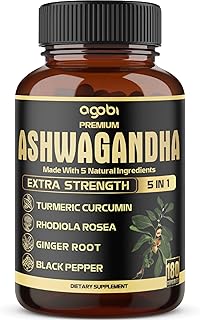
5in1 Premium Ashwagandha Capsules – Added Turmeric, Rhodiola Rosea, Ging…
Amazon$38.99
mi nature USDA Certified Organic Pure Ashwagandha, Withania Somnifera Ro…
Amazon$18.99
Ashwagandha Root Loose Leaf Tea 100 g | Withania Somnifera for Herbal Te…
Amazon$15.9910. Ginseng for Energy and Endurance

Ginseng has long been regarded as one of the most valued herbs in traditional Chinese medicine, where it was associated with vitality, stamina, and resilience. For centuries, it has been used to support both physical endurance and mental clarity.
Modern research has examined ginseng, particularly Panax ginseng, for its effects on fatigue and performance. Several clinical studies have reported improvements in perceived fatigue and certain measures of cognitive function compared with placebo, though outcomes vary depending on dosage, duration, and the type of extract used. These findings have helped position ginseng as one of the more extensively researched herbal tonics for energy support.
Ginseng is available in teas, capsules, powders, and standardized extracts. Its slightly bitter, earthy flavor can be strong on its own, but it blends well with honey or citrus in warm preparations.
Tips for using ginseng:
- Korean (Panax) ginseng is the variety most commonly studied for energy and endurance applications.
- Standardized extracts are typically used in research settings to ensure consistent levels of active compounds known as ginsenosides.
While generally well tolerated, ginseng may not be suitable for everyone — particularly individuals sensitive to stimulatory herbs or those managing blood pressure or blood sugar concerns.
A warm cup of ginseng tea can be a revitalizing way to start the day, combining traditional wisdom with modern interest in natural energy support
11. Milk Thistle for Liver Health

Used since ancient Greece, milk thistle has long been associated with liver support. Traditional herbalists valued it for its role in maintaining healthy liver function, and it remains one of the most widely studied herbs in this category today.
The key compound in milk thistle, silymarin, has been examined for its antioxidant properties and its potential role in protecting liver cells from oxidative stress. Clinical research has explored its use in various liver-related conditions, with some studies reporting improvements in liver enzyme markers, although results can vary depending on dosage, extract quality, and individual health status.
Milk thistle is commonly available in capsules, tinctures, and standardized extracts. Tea preparations are also used, though most clinical research has focused on concentrated extracts.
Tips for using milk thistle:
- Look for standardized silymarin extracts for consistent potency.
- If you are managing an existing liver condition or taking medication, professional guidance is recommended before introducing concentrated supplements.
Milk thistle continues to attract attention as a research-supported botanical for liver maintenance, bridging traditional use with modern investigation.
12. Hawthorn for Heart Health

Hawthorn has a long-standing place in traditional herbal medicine, particularly in relation to cardiovascular wellness. Used by the ancient Greeks and Romans, it was traditionally believed to strengthen the heart and encourage healthy circulation.
In modern times, hawthorn extract, especially standardized preparations, has been studied for its effects on circulation, exercise tolerance, and certain markers of cardiovascular function. Some clinical trials have explored its use alongside conventional treatment in individuals with mild heart-related conditions, with findings suggesting potential supportive benefits. As with many botanicals, outcomes depend on preparation, dosage, and individual health status.
Hawthorn is commonly consumed as a tea, tincture, or standardized extract. Its mildly sweet, slightly tart flavor makes it an enjoyable addition to herbal blends or fruit-infused drinks.
Tips for using hawthorn:
- Look for standardized extracts if you’re seeking consistency in active compounds.
- If you are taking heart medication or managing a cardiovascular condition, professional guidance is important before introducing concentrated supplements.
Hawthorn remains one of the most researched traditional herbs for cardiovascular support, blending centuries of folklore with ongoing scientific interest.
13. Nettle for Allergy Relief

Nettle has a long history in traditional herbal practice, where it was used to ease seasonal discomforts like hay fever. Early herbalists noted its balancing and soothing qualities, and it became a go-to plant during pollen-heavy months.
In recent years, freeze-dried nettle and standardized extracts have been examined for their potential role in seasonal allergy support. Some small clinical studies have suggested that nettle may help reduce common allergy symptoms such as sneezing and nasal irritation, possibly through mechanisms related to histamine pathways. While research is still evolving, nettle continues to attract interest as a botanical option during allergy season.
You can incorporate nettle into your routine by brewing it into tea, adding young leaves to soups, or cooking it like a leafy green (once properly prepared to neutralize its sting).
Helpful tips for using nettle:
- Young spring leaves are traditionally preferred for culinary use.
- Freeze-dried preparations are often used in research settings for consistency.
A warm cup of nettle tea can feel grounding during allergy season — a simple ritual that blends traditional wisdom with modern curiosity.
14. Rosemary for Memory and Concentration

Rosemary has been linked with memory and mental clarity for centuries. In ancient Greece, students were said to wear rosemary garlands during exams, believing the fragrant herb would sharpen their recall. Whether symbolic or botanical, rosemary quickly became associated with focus and intellectual energy.
Modern research has explored rosemary, particularly its aromatic compounds such as 1,8-cineole, for potential effects on concentration and cognitive performance. Some small studies suggest that exposure to rosemary aroma may be associated with improved alertness and aspects of memory performance. While findings vary, the herb continues to generate interest in the field of plant-based cognitive support.
In everyday life, rosemary is wonderfully versatile. Add it to roasted vegetables, soups, or infused oils for a fragrant lift. The scent alone can transform a kitchen.
Helpful tips for using rosemary:
- Fresh sprigs release more aromatic oils when gently crushed before use.
- Rosemary essential oil is often used in aromatherapy for an uplifting, focus-friendly atmosphere (always dilute appropriately for topical use).
A warm cup of rosemary tea or simply the aroma drifting through your space — can be a refreshing ritual when you want to feel clear-headed and present
15. Dandelion for Detoxification
Often underestimated, dandelion has been used for generations in traditional herbal practice, particularly in relation to digestion and natural detox support. Ancient cultures valued both the roots and the leaves, seeing them as plants that encouraged balance and internal renewal.
Today, research has explored dandelion for its antioxidant content and its potential role in supporting liver and digestive function. The liver is the body’s primary detox organ, and some laboratory and early human studies suggest that compounds in dandelion may contribute to normal liver activity. While research is ongoing, dandelion remains one of the most commonly referenced herbs in discussions about gentle, plant-based detox practices.
You can incorporate dandelion into everyday meals by adding young greens to salads or sautéing them like spinach. Roasted dandelion root tea has a rich, slightly earthy flavor that many people enjoy as part of a seasonal reset.
Helpful tips for using dandelion:
- Young spring greens are milder in flavor and ideal for salads.
- Roasted root preparations are traditionally used in herbal detox routines.
A warm cup of dandelion tea can feel like a simple, grounding ritual, one that aligns with the body’s natural detox processes.
Conclusion

Exploring the historical uses of herbal medicine reveals a wealth of knowledge passed down through generations. Long before modern laboratories existed, cultures around the world observed how plants affected the body and mind, building traditions that still influence wellness practices today.
Each herb carries its own story, from rosemary worn by students in ancient Greece to St. John’s Wort once believed to ward off evil spirits. What makes these plants so compelling is not just their folklore, but the way modern research continues to examine and, in many cases, support aspects of their traditional use.
Incorporating herbs into your daily life does not have to be complicated. It can be as simple as brewing a cup of tea, adding fresh leaves to a meal, or creating a small ritual that brings a sense of calm or focus to your day. These practices connect us to both nature and history in a tangible way.
As always, if you are considering concentrated herbal supplements or managing a medical condition, speaking with a qualified healthcare professional is a wise step. Used thoughtfully, herbal traditions can complement a balanced and informed approach to wellness.
Enjoy exploring these time-honored remedies and discovering which ones resonate with you most.


